Sipping Success: Engaging Young Minds in Wine Culture Through Play and Learning
Have you ever found yourself swirling a glass of wine, admiring its color, and pondering the journey each grape has taken to reach your glass? It's a journey that many adults cherish, but what if we told you that you could spark that same curiosity in your children? Introducing young minds to wine culture through engaging hands-on activities not only nurtures their cognitive development but also provides valuable lessons about responsibility, creativity, and social skills. So, how can you introduce your preschool-age children to an engaging exploration of vineyards and fermentation while making it fun and educational?
Imagine transforming your living room into a mini winery—what a fun family activity that can inspire creativity! Start by gathering various props that represent the vineyard experience: grapevines made from construction paper, plastic grapes, and even toy winemaking tools. Young learners can benefit greatly from storytelling, so why not narrate the tale of how the humble grape becomes the delightful wine? Ask your child questions throughout: "What color do you think our grapes will be?" or "How do you think grapes are turned into wine?" This kind of creative play, when coupled with strong parental guidance, reinforces early literacy skills and deepens children's learning by connecting academic concepts to the real world.
What if you made wine tasting a family-friendly experience? Of course, we’re not suggesting you pour a glass for the kids! Instead, set up a tasting of different grape juices or sparkling waters for your child. Invite them to describe the flavors, colors, and aromas, similar to what a sommelier might do at a winery. Create a game out of it—who can guess the grape variety or identify the spice used in the juice? Such activities engage children while developing their observation skills and critical thinking. This hands-on approach prepares them for the intricacies of wine culture in a fun, low-pressure environment.
Let’s talk about the science of fermentation! This fascinating process is at the heart of winemaking. You can create a simple fermentation project at home with everyday materials. A fun experiment could involve making homemade grape juice and letting kids watch yeast work its magic as it bubbles and transforms. This is not just a delightful hands-on activity; it’s an educational experience that highlights principles related to biology. Plus, it promotes an early understanding of scientific methods, encouraging curiosity that drives children's learning. How exciting is it to know they can see such transformations in real-time?
Remember, immersing children in wine culture is much more than just the boozy end of the spectrum. It emphasizes curiosity, exploration, and the joy of learning. Consider engaging them in relevant educational games that incorporate grape facts, vineyard trivia, and even a preschool curriculum that revolves around seasons and the harvest. Encourage family discussions around responsible drinking as they grow, and instill the values of appreciating wine culture in moderation. Let the vines of curiosity grow strong through these engaging activities, ensuring early childhood education is not just instructive but also a wonderful bonding experience for you and your children.
From Vine to Play: Creative Learning Experiences in the World of Wine
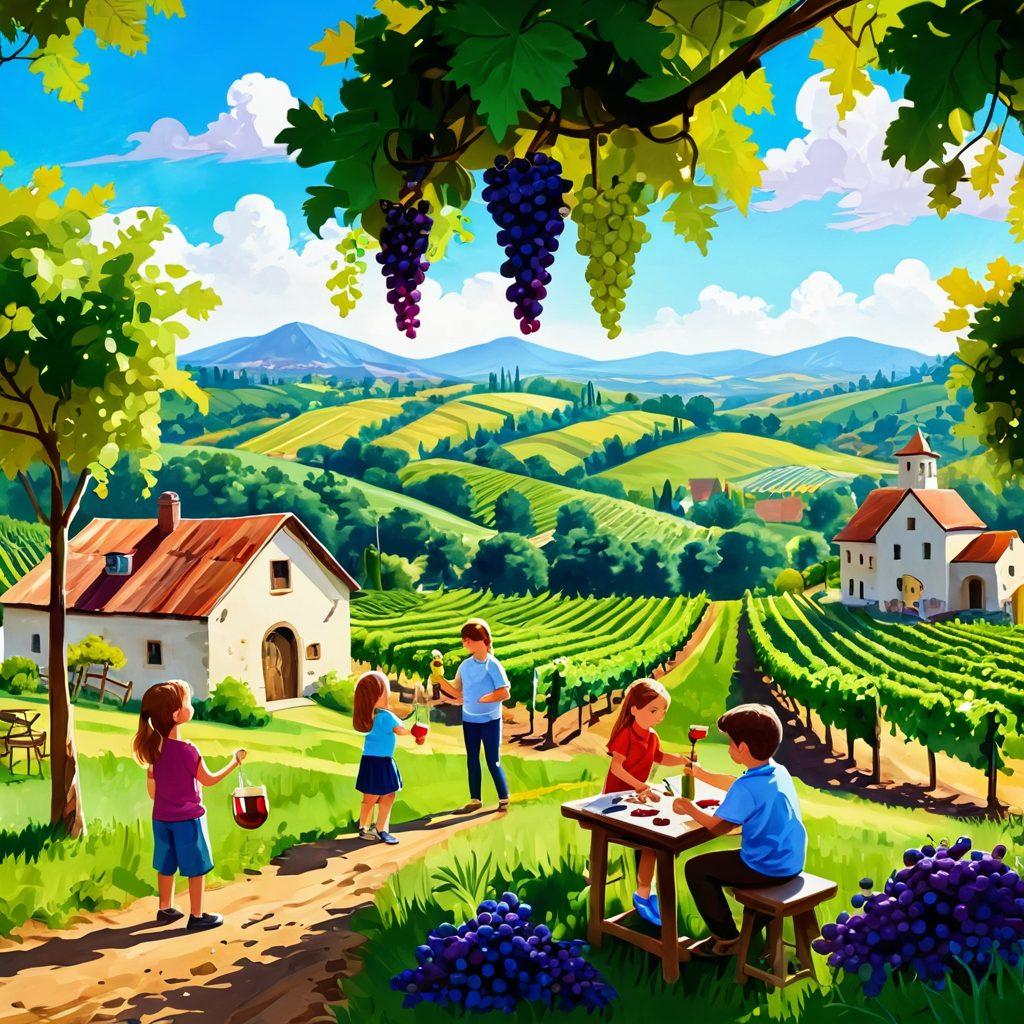
Imagine a sun-kissed vineyard, rows of lush green grapevines winding across the gently sloping hills. In the world of wine, every sip tells a story, from the very beginning of the vine to the carefully crafted bottle on your table. But what if we told you that this beautiful world of wine could serve as a playground for young minds? "Learning is not the filling of a pail, but the lighting of a fire." – W.B. Yeats. In this blog, we will explore how engaging young children with the themes of wine culture can enrich their early learning experiences and kindle their curiosity about the world.
At the heart of engaging children lies a concept known as creative play. Imagine a family activity where kids can learn about the fermentation process through hands-on activities like making simple grape juice or creating their own mocktail. This not only promotes cognitive development but also sparks a joyful exploration of science. Perhaps you'll ask your child, "What makes this juice taste sweet or sour?" Incorporate questions about flavors and textures associated with grapes and winemaking; this curiosity enhances their early literacy as they discover new vocabulary related to the vineyard.
When we consider preschool education, we often think of puzzles or crayons, but incorporating wine culture into the preschool curriculum can transform traditional educational games. For instance, envision a game where children identify different types of grapes or their colors, thus enhancing their social skills while working together. It is in these interactive moments, where a child’s imagination runs wild, that we see the incredible potential for childhood development. Picture laughter echoing as they create their own imaginary winery, role-playing as little sommeliers sharing their newfound knowledge with family and friends.
Of course, parental guidance plays a key role in this creative learning experience. Parents can set up educational resources at home inspired by wine culture, allowing for exploration within an age-appropriate context. Perhaps by organizing a family visit to a local winery—only to soak in the sights, smells, and stories—parents create a memorable bond while instilling a respect for cultural traditions. Such activities can deepen family connections and create lasting memories while discussing the importance of vineyards and the meticulous efforts that go into making wine, albeit in ways suitable for young minds.
Engaging children with wine culture doesn't have to mean embracing the beverage but rather celebrating the journey from vine to play. Each grape is a gateway, inviting children to explore not just tastes, but also the world of creativity and learning. As parenting tips go, encourage your child’s imagination through creative play, and be willing to get a little messy in the kitchen or the garden together. The experience is about more than just tasting—it’s about fostering a lifelong love for learning in an enchanting, playful environment. So, are you ready to unlock the creativity that lies within the world of wine culture?
Tasting Adventures: Engaging Preschoolers in the Joy of Wine Education
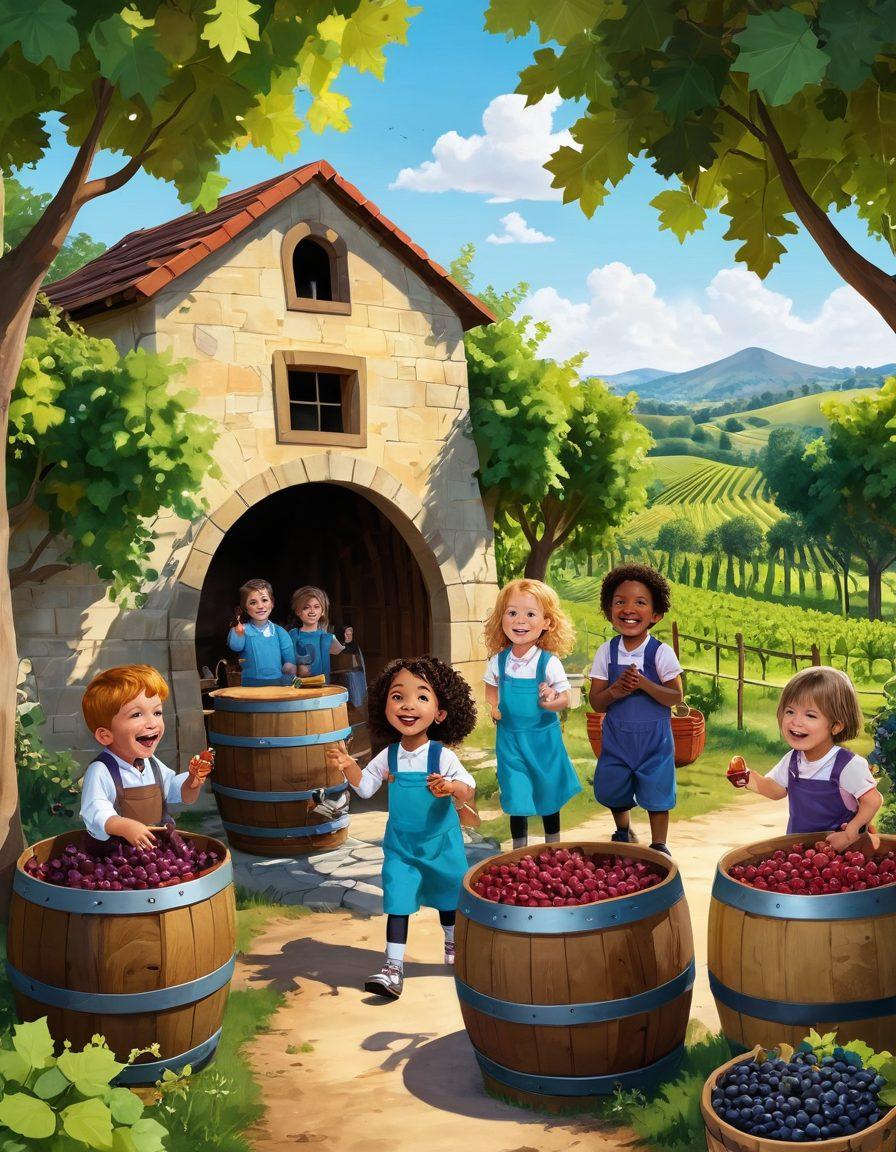
In the heart of every vineyard lies a story waiting to be uncovered, not just for the elder enthusiasts but also for the curious preschoolers eager to explore. The world of wine education isn't just for adults; it can be a vibrant, engaging playground for our youngest learners. Imagine a setting where children, instead of shying away, delve into the fascinating processes of fermentation, tasting the flavors of vibrant grapes while learning about the rich heritage of wine culture. Learning about vineyards, grapes, and the essential role of a sommelier can introduce preschoolers to a delightful tapestry of information wrapped in fun and creativity. How can we make these rich concepts accessible to the inquisitive minds of our little ones?
As we embark on this tasting adventure, think about the potential of early learning. It's essential to frame wine education in a way that resonates with childhood development. The act of engaging children through interactive play and hands-on activities allows them to explore concepts they've yet to experience. Through creative play, kids can mimic the processes of turning grapes into wine. This could be through crafting, playful role-playing in a winery, or even simple science experiments demonstrating fermentation. These activities not only make learning fun but can also promote cognitive development and social skills among preschoolers. Why not take a trip to a local vineyard and create a scavenger hunt that teaches them about the different types of grapes and the journey from vine to bottle?
Integrating wine culture into preschool education can also yield fascinating discussions about nature, farming, and culinary arts. By exploring the world of grapes and vineyards, children can grasp the importance of sustainability in winemaking. Envision a storytime session that revolves around a little grape’s adventure in the vineyard, from growing on the vine to being harvested. This engages early literacy and sparks curiosity while also informing little ones about the significances of nature in the winemaking process. What stories could you create that link grapes to their whimsical journeys? How can books and storytelling transform their perspective on the world around them?
It's critical for parents and educators to curate learning resources that make these concepts comprehensible for young minds. Simple educational games that involve sorting grapes of various colors or matching vineyard-related images can enhance their understanding while also providing an avenue for fun family activities. Involve parents by encouraging them to guide their children through these hands-on activities, fostering an environment of learning that promotes exploration and inquiry. What parenting tips can you share that support this kind of educational engagement at home? How can you ensure that learning transcends the classroom and becomes a shared family experience?
Every sip of knowledge contributes to a lifelong appreciation for wine culture and the world at large. As we guide our preschoolers through these tasting adventures, let us not forget the impact of playful education on childhood development. By cultivating their curiosity through creative play, we empower them to form connections with the past and the present, all while enhancing their social and cognitive skills. So, the next time you find yourself at a vineyard or developing a preschool curriculum, remember that the joy in learning about wine can begin even in the earliest years. How will you weave this rich tapestry of learning resources into your children's lives, ensuring they savor every moment of their educational journey?